A Guide to Choosing the Best Food Packaging Boxes for Your Retail Business
Picking the right food packaging boxes is vital for any retail business. The selection process includes multiple factors, including raw materials, design, and eco-friendliness. Each aspect contributes meaningfully in preserving product quality and engaging buyers. Business owners should assess how these aspects match their brand identity and market expectations. Understanding these subtleties can have a significant impact in long-term success. Which key factors should retailers consider first to ensure the best packaging choices?
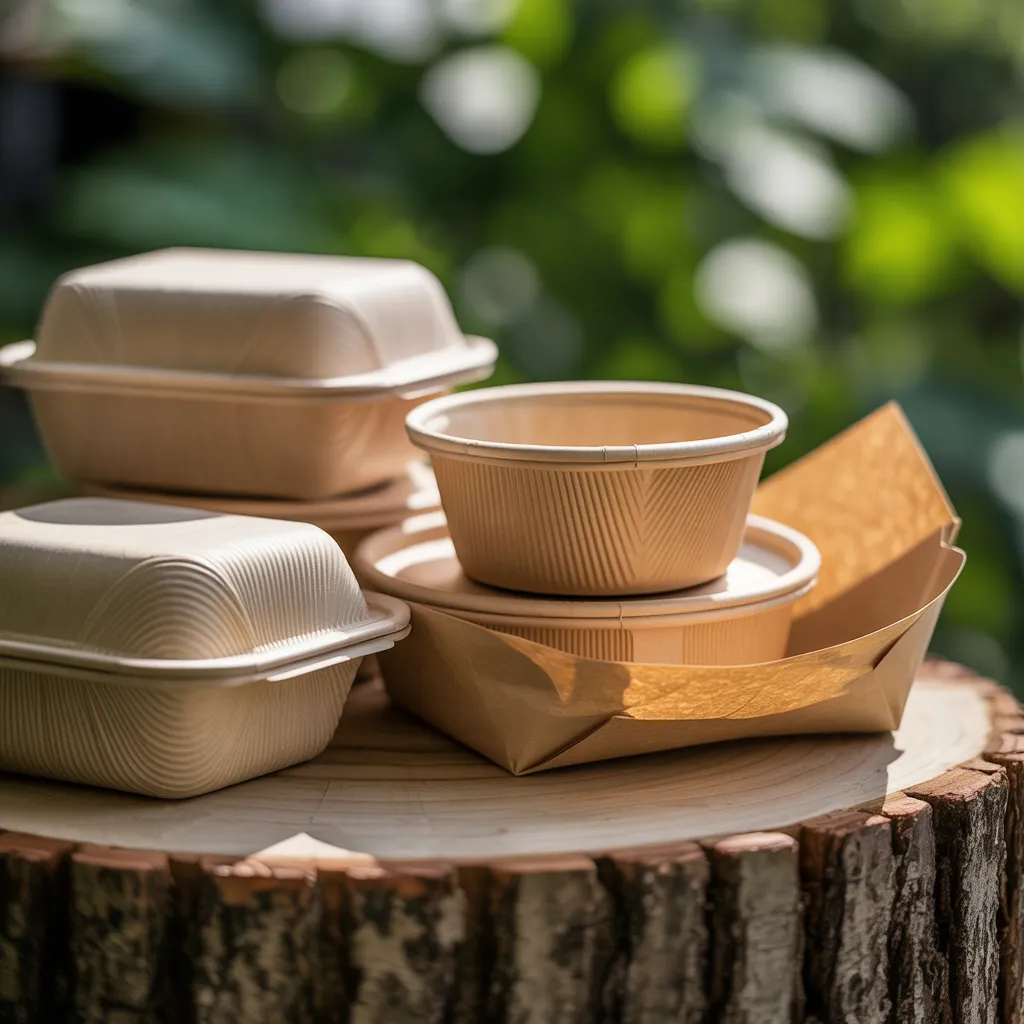
How Food Packaging Impacts Retail Success
Food packaging plays an critical role in the success of retail businesses by shaping how consumers perceive products and make buying choices. Quality packaging functions as a silent salesperson, conveying essential details about the item while establishing an attractive brand presence. It stands out among competing products on store shelves and can differentiate a product from competitors.
Beyond this, packaging provides consumers certainty about product quality and safety, which is fundamental in the food industry. Informative labeling, visually compelling designs, and eco-friendly materials can strengthen brand loyalty and drive repeat purchases. In addition, well-planned packaging can convey the brand's vision and message, establishing a deeper connection with the consumer.
As e-commerce continues to grow, packaging also plays an important role in confirming that goods arrive without damage and copyright their overall presentation, affecting consumer reviews and overall satisfaction. At its core, strategic packaging plays a major role in increasing revenue and supporting sustained retail achievement.
Critical Materials Used in Food Packaging
Picking the right substances for food packaging is crucial for upholding product integrity and guaranteeing safety. Numerous materials serve distinct purposes, influencing both preservation and the customer experience. Frequently utilized options include paperboard, which delivers durability and recyclability, positioning it as an eco-friendly choice. Plastic, particularly PET and HDPE, provides excellent barrier properties, protecting food from moisture and contamination. Glass containers are favored for their inert nature, preserving flavor and eliminating chemical interactions.
Metal packaging, such as metal cans, is ideal for maximizing shelf life, especially for perishable goods. Furthermore, compostable and biodegradable materials are growing in demand, aligning with sustainability goals. Each packaging material's compatibility, cost, and availability with specific food types must be considered. At the end of the day, choosing the appropriate packaging material not only preserves food quality but also showcases an organization's focus on sustainable practices and safety.
How to Design Packaging That Attracts Customers
Effective packaging design plays a pivotal role in attracting customers and enhancing brand visibility. To accomplish this goal, companies need to concentrate on a number of essential factors. To begin with, the choice of color is crucial; vivid colors can trigger feelings and draw the gaze, while muted shades can express refinement. Furthermore, font choices should be clean and easy to read, ensuring that brand names and product information are easily readable at a glance.
Integrating creative forms or frameworks can further differentiate a product on crowded shelves, delivering an unforgettable impression for consumers. Moreover, imagery that reflects the product's quality or origin can also draw in shoppers. Ultimately, embedding a brand story or narrative within the packaging cultivates a meaningful relationship with the core audience, driving involvement and lasting dedication. Through deliberately blending these aspects, companies can develop packaging that both captures interest and strengthens their brand image.
Eco-Friendly Approaches in Food Packaging: Why They Are Important
As more consumers place greater emphasis on environmental responsibility, the value of sustainable practices in food packaging remains critically important. Retail companies are acknowledging the necessity of adopting eco-friendly materials that help reduce waste and lower their carbon footprint. Green packaging alternatives, such as biodegradable, compostable, or recyclable materials, not only resonate with environmentally mindful consumers but also boost brand reputation.
Integrating green initiatives promotes honesty and accountability, allowing companies to connect with the standards of their intended audience. Furthermore, industry regulations are moving toward tighter green regulations, making it imperative for companies to adopt sustainable packaging solutions.
Investing in green strategies can generate long-term cost savings, as businesses may lower disposal costs and enhance overall performance. Ultimately, integrating green solutions for food packaging is not just a responsible obligation; it is a forward-thinking approach that places businesses advantageously in an increasingly eco-aware marketplace.
Achieving the Ideal Balance Between Cost and Quality in Packaging
In the retail food industry, balancing cost and quality in packaging is critical for business success. Companies must thoroughly assess material choices to ensure long-lasting durability while also considering cost-effective design strategies that appeal to customers. This equilibrium can significantly influence both profitability and brand perception.
Evaluating Material Options
Selecting the right material for food packaging boxes demands a detailed assessment of both cost and quality. Various options, such as biodegradable options, cardboard, and plastic, provide unique advantages and drawbacks. Cardboard is commonly recyclable and cost-effective, rendering it a common option among vendors. Nevertheless, its strength may sometimes not meet the needs of particular food items. helpful guide Synthetic material provides superior moisture resistance and can increase storage duration, but its ecological footprint creates challenges. Biodegradable materials, although generally costlier, align with sustainability goals and appeal to environmentally aware customers. Ultimately, the evaluation process should harmonize these elements, ensuring the chosen material safeguards the item while also catering to brand values and budget constraints.
economical Design Solutions
Maintaining a harmony between cost and quality in food packaging requires careful planning and innovative thinking. Retailers should consider using standardized packaging sizes to reduce production costs while optimizing the use of resources. Employing clean yet visually appealing designs can improve brand awareness without generating excessive costs. Furthermore, choosing flexible materials allows for multiple packaging applications, reducing waste while optimizing resource use. Collaborating with suppliers to consider wholesale purchasing possibilities can further lower costs. Lastly, integrating environmentally responsible methods, such as sustainable or decomposable materials, not only resonates with sustainability-focused shoppers but can also lead to long-term savings. By applying these economical methods, companies can attain packaging solutions that satisfy quality standards without exceeding budgets.
Analyzing Packaging Solutions: Critical Questions to Explore
How can a retail business effectively choose the right food packaging boxes? Selecting the right packaging solution demands close attention to several critical factors. First, businesses should assess the material's suitability for the food type being packaged. Is it food-safe and capable of preserving freshness? Next, they must consider the design—does it align with the brand identity while also being functional for customers?
Expense is an additional crucial factor. Will the business be able to preserve quality while keeping costs in check? Furthermore, businesses should consider the packaging's environmental impact. Can sustainable choices be found that lessen the impact on the environment?
In addition، the practicalities of storage and transportation should not be overlooked. Can the packaging be stored and transported without sustaining damage? By evaluating these factors, retail businesses can arrive at educated conclusions that improve product attractiveness and ensure customer satisfaction.
Common Questions and Answers
What Are the Common Food Packaging Regulations I Should Know?
Frequent food packaging requirements encompass adherence to safety standards, labeling requirements, material safety, and environmental directives. Additionally, businesses must guarantee that packaging prevents contamination and sustains product integrity across its entire shelf life.
What Are the Ways to Test Packaging Durability for My Products?
To test packaging durability, one must carry out moisture resistance evaluations, drop tests, and compression tests. Analyzing how packaging endures different environmental conditions and handling processes will offer valuable information regarding its overall durability and dependability for protecting products.
Is It Possible to Customize Packaging for Seasonal Promotions?
Absolutely, custom packaging is available for time-specific promotions. Companies regularly develop unique designs, colors, and finishes that match the occasion's theme, increasing attractiveness while powerfully expressing the seasonal message to capture the attention of customers during special occasions.
What Are the Best Practices for Packaging Food for Delivery?
Successful food packaging for delivery requires using sturdy, insulated materials to maintain temperature, ensuring leak-proof designs, and adding clear labeling for ingredients and handling guidelines. Additionally, eco-friendly options enhance customer appeal and environmental responsibility.
How Can I Manage Packaging Waste in My Business?
To handle packaging waste efficiently, businesses should implement recycling programs, adopt biodegradable packaging options, and encourage customers to return packaging. Regular audits can also uncover opportunities to minimize waste, fostering a more sustainable approach to operations.
Comments on “Tips for Selecting Food Packaging Supplies”